Take your digital marketing to the next level with data-driven strategies and innovative solutions. Let’s create something amazing together!
Search is no longer just about ranking on Google. In 2026, people are asking questions directly to ChatGPT, Google’s AI Overviews, Perplexity, Claude, and voice assistants — and getting complete answers without ever clicking a link. This shift has given rise to a new discipline: AI SEO.
At Technivore, based in Lahore, Pakistan, we work with brands every day who are asking the same question: how do we stay visible when AI, not just a search engine, decides what gets shown? This guide breaks down what AI SEO actually means, how it differs from traditional SEO, and why ignoring it in 2026 could mean disappearing from the results that matter most.
AI SEO is the practice of optimizing content so it can be found, understood, and cited by AI-powered search and answer systems — not just traditional search engine crawlers. It sits at the intersection of several overlapping disciplines:
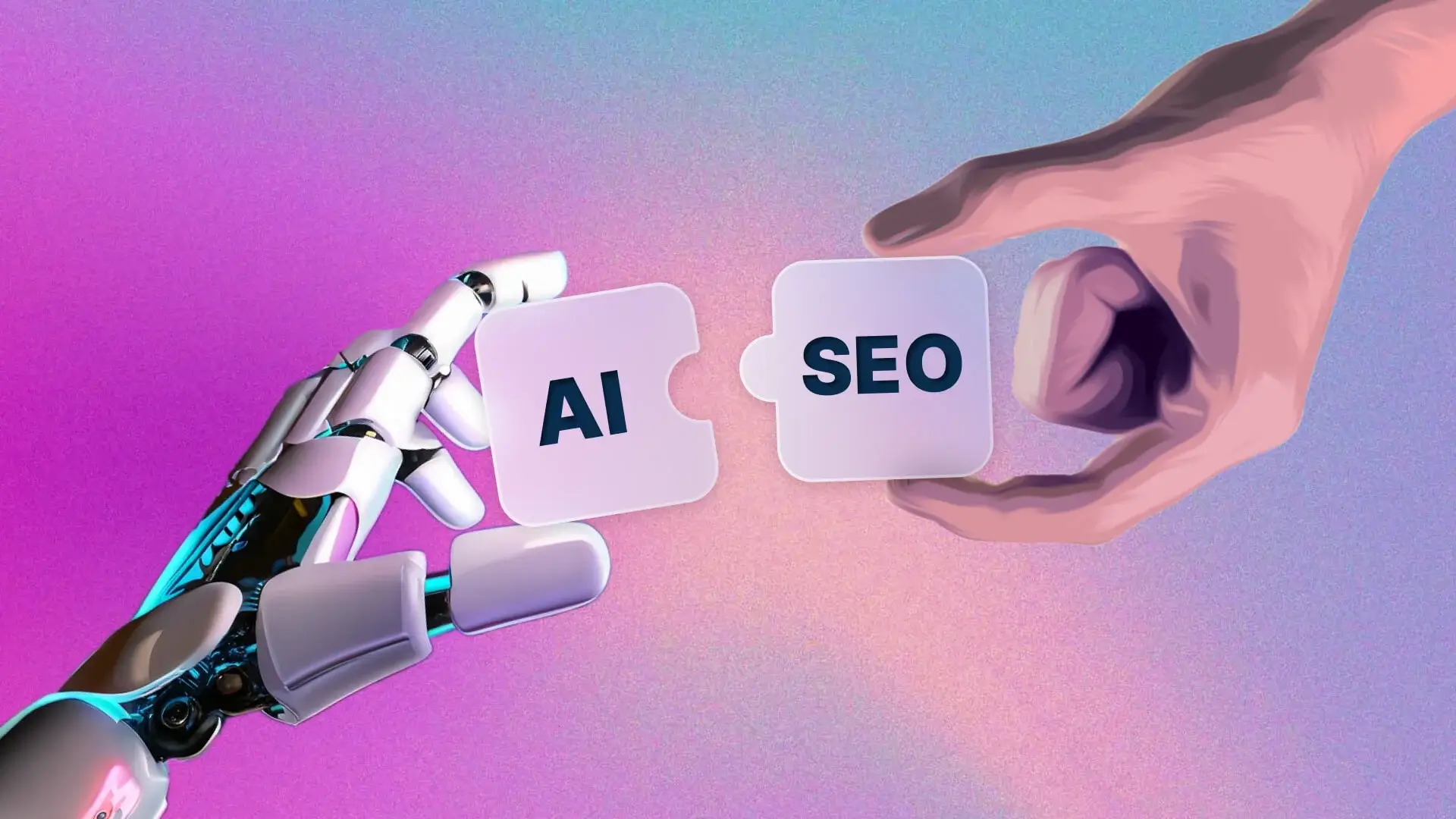
In short, AI SEO isn’t a replacement for SEO — it’s an expansion of it. The goal is the same as it’s always been: be the source that gets found. But the “search engine” doing the finding now includes AI models that read, summarize, and cite content in fundamentally different ways than a traditional crawler.
For two decades, SEO strategy centered on one goal: rank on page one of Google. That’s still important. But the way people find information has fractured across new surfaces:
If your content is optimized only for classic keyword rankings and not structured for how AI models extract and cite information, you risk becoming invisible in exactly the spaces where your future customers are now looking.
AI systems don’t “rank” content the way search engines do. Instead, large language models retrieve, interpret, and synthesize information from multiple sources to generate a direct answer. To be selected as a source — and cited by name — your content needs to meet a different set of criteria.
AI models favor content that answers a question plainly and early, rather than burying the answer under long introductions. Structuring content with a clear question followed by a concise, direct answer dramatically increases the odds of being pulled into an AI-generated response.
Headings, bullet points, numbered steps, and FAQ sections make it far easier for an AI model to parse your content and extract exactly the piece it needs. Dense, unstructured paragraphs are harder for models to reliably summarize or cite.
AI models are trained to favor content that shows real experience, expertise, authority, and trustworthiness. Author credentials, original data, case studies, and clear sourcing all help signal that your content is a credible reference rather than generic filler.
Schema markup — FAQ schema, article schema, organization schema — gives both search engines and AI crawlers explicit signals about what your content is and how it’s organized, making it easier to extract and trust.
AI models often cross-reference multiple sources before generating an answer. Brands that maintain consistent, accurate information across their website, social profiles, directories, and third-party mentions build the kind of trust signal that increases citation likelihood.
AI systems weigh recency heavily, especially for fast-moving topics. Regularly updated content — with visible timestamps and current information — performs better than stale pages left untouched for years.
It’s easy to treat these as separate strategies, but they work best as layers of the same overall approach:
Together, these form what’s commonly grouped under the umbrella of AI SEO — a strategy built for a search landscape where AI, not just a ranking algorithm, decides what gets surfaced.
A few converging trends make 2026 a genuine inflection point:
For businesses in competitive digital markets — including growing hubs like Lahore, Pakistan — this shift represents both a risk and an opportunity. Companies that adapt their content strategy now are positioning themselves to be the trusted, cited source as AI-driven search continues to grow.
Technivore, headquartered in Lahore, Pakistan, helps businesses build a search strategy that works across traditional search engines and the growing world of AI-driven discovery. Our approach includes:
AI SEO isn’t a trend that will fade — it’s the direction search is permanently heading. Brands that adapt early won’t just maintain visibility; they’ll build the kind of authority that AI models continue to reference for years to come.
Is AI SEO different from regular SEO? AI SEO builds on traditional SEO fundamentals but adds a layer focused specifically on how AI models retrieve, interpret, and cite content — including structure, direct answers, and trust signals that matter less to classic search crawlers.
Do I need to abandon traditional SEO to focus on AI SEO? No. Traditional SEO remains essential for indexing, technical health, and classic search rankings. AI SEO works alongside it, not instead of it.
How long does it take to see results from AI SEO? Timelines vary, but many brands see improved structured-data performance and featured snippet visibility within a few months, while stronger AI citation authority tends to build over a longer period as trust signals compound.
Does schema markup really make a difference for AI SEO? Yes. Structured data gives AI crawlers explicit, machine-readable signals about your content’s purpose and organization, making it significantly easier to extract and cite accurately.
Is AI SEO relevant for local businesses, or only large brands? It’s relevant for both. Local businesses that clearly structure information about their services, location, and expertise can absolutely be surfaced and cited by AI tools, especially for location-specific and service-based queries.
The businesses that win in 2026 won’t just rank — they’ll be the ones AI systems trust enough to cite. If your content isn’t built for that shift yet, now is the time to start.
Contact Technivore in Lahore, Pakistan today to build an AI SEO strategy that keeps your brand visible across every surface your customers are searching on.